
Industry Insight
Is a Clean Green Future More Affordable?
How falling renewable costs and the coal phase-out shape the economics of clean power in Ontario.
How falling renewable costs and the coal phase-out shape the economics of clean power in Ontario.
Originally published in 2021 and kept here as a dated snapshot. Figures and policy details below reflect what was reported at that time and may have changed.
Is a clean, green energy future more affordable? For Ontario homeowners watching their electricity bills, the question is practical, not abstract. The cost of solar, wind and battery storage has fallen over the past decade, and that trend shapes what clean power can look like for the households and businesses on the grid.
Canada announced regulations in 2018 to phase out conventional coal-fired electricity by 2030, supporting clean jobs and the transition to cleaner energy. Ontario had already closed its last coal plant in 2014, a move that brought clear air-quality benefits. The coal phase-out has been an important milestone for climate goals and for aligning Canada with the Paris Agreement's aim of keeping global warming below 1.5 degrees Celsius.
According to analysis from the Pembina Institute cited at the time, wind and solar had become more economic than new nuclear or coal generation from 2017 onward. The same analysis suggested that supporting clean energy rather than new natural gas generation could produce large savings and cut carbon emissions significantly. The institute also expected costs for renewables and their storage to keep falling as technology improves.
The shift to renewables matters for human health as much as for the climate. Air pollution contributes to asthma, respiratory disease and premature death, and burning coal has been linked to a large number of deaths worldwide each year. Solar and wind combined with battery storage can now provide dependable power at competitive cost, even in periods of high demand.
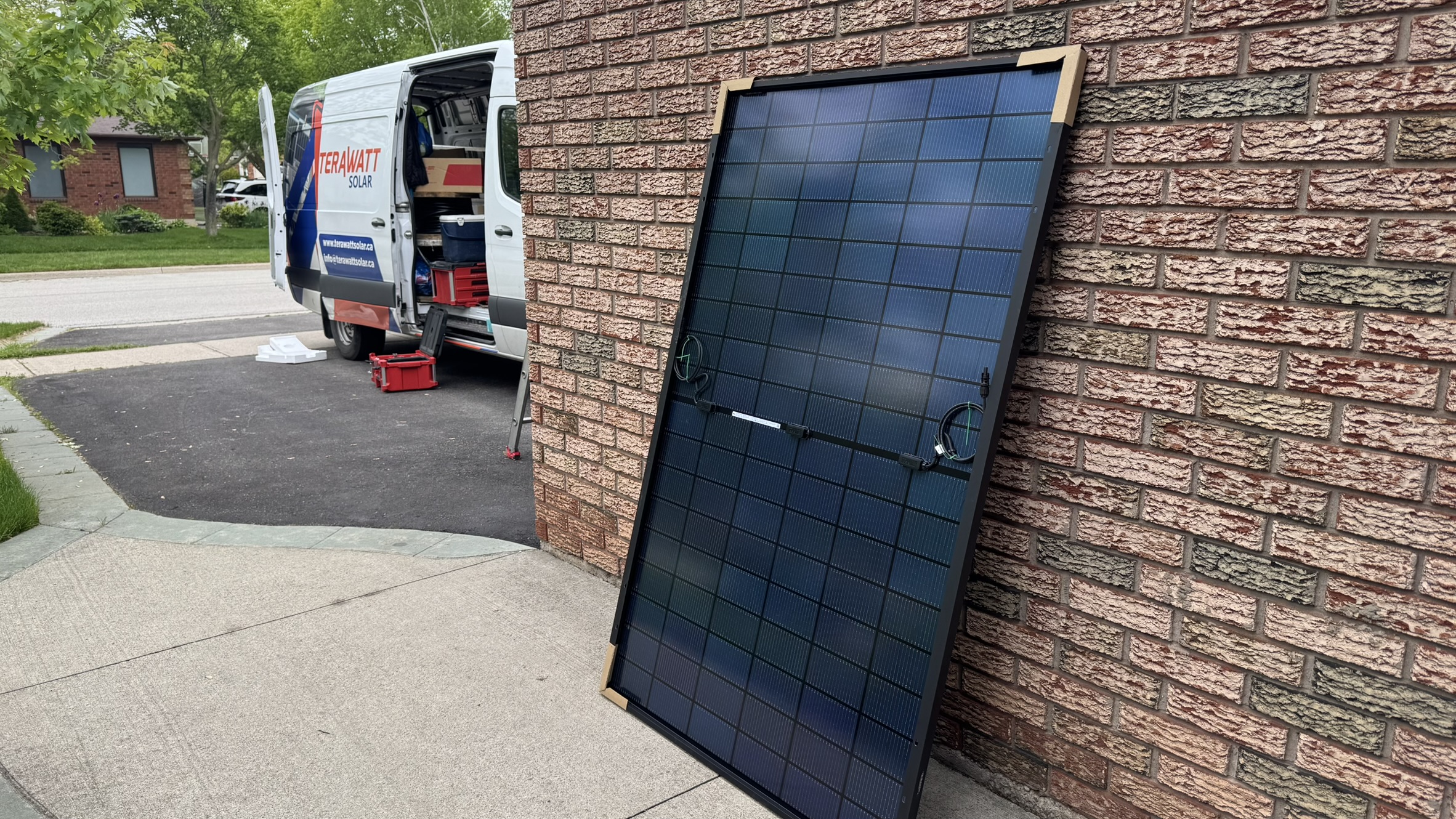
In 2021 the federal government announced a new climate plan expecting solar, wind and storage to play a growing role in Canada's electricity mix. The report highlighted that solar and wind meet a significant share of Prince Edward Island's electricity needs. At the time, the Canada Greener Homes Grant offered up to $5,000 toward home energy retrofits, with an interest-free loan of up to $40,000 for energy-efficiency upgrades.
Update (2026): The Canada Greener Homes Grant stopped accepting new applicants in January 2024. For the programs available today, see our current solar incentives page and read our update on the grant ending. You can follow Ontario's current electricity planning on the IESO website.
Policy debates like these can feel distant, but one thing is concrete: Ontario households and businesses can generate clean electricity on their own property today. Rooftop solar reduces how much power you buy from the grid, and a battery can add backup protection. Terawatt Solar designs and installs residential solar and commercial solar systems across the GTA with our own ESA-licensed crews. To see what is available now, visit our incentives page, then book a free site assessment to find out what solar could do for your property.
Solar equipment costs have fallen significantly over the past decade, but your actual price depends on system size, roof and equipment. Request a quote for current pricing.
Programs change over time. See our incentives page for the latest information.