Ground Mount Solar
Ground Mount Solar
For properties with available land or a roof that isn't suited to solar, a ground mount array delivers the same production with more flexibility in orientation.
Actual savings and payback timelines vary based on individual energy consumption, rate changes, system size, and usage patterns. Figures shown are representative of recent Terawatt Solar installations and are not a guarantee of your specific results.
Ground mount solar is a strong option when a roof is shaded, structurally unsuited for panels, or too small for the system size you need. It is also common on larger rural and commercial properties where available land outweighs rooftop space. Commercial ground mount installs may also qualify for Canada's Clean Technology Investment Tax Credit, see our commercial solar page for details.
Ground mount systems can be angled and oriented for optimal sun exposure independent of roof pitch, often producing more energy per panel than a compromised roof placement. Our team evaluates soil conditions, frost line depth and local setback requirements before finalizing a layout.
Ground level panels are easier to clean and service than rooftop arrays, which can simplify long-term maintenance for larger systems.
If your roof isn't suited to panels, compare against our standard residential solar install, or pair a ground mount array with battery storage for backup power. We install ground mount systems across Burlington, Kitchener and Hamilton.
Book a free discovery call to learn how solar works, ask questions about your roof and bill, and decide whether a custom solar proposal ($59.99) is the right next step.
Real Terawatt Solar rooftop installations with system size, production and projected savings. See all of our Ontario solar case studies.
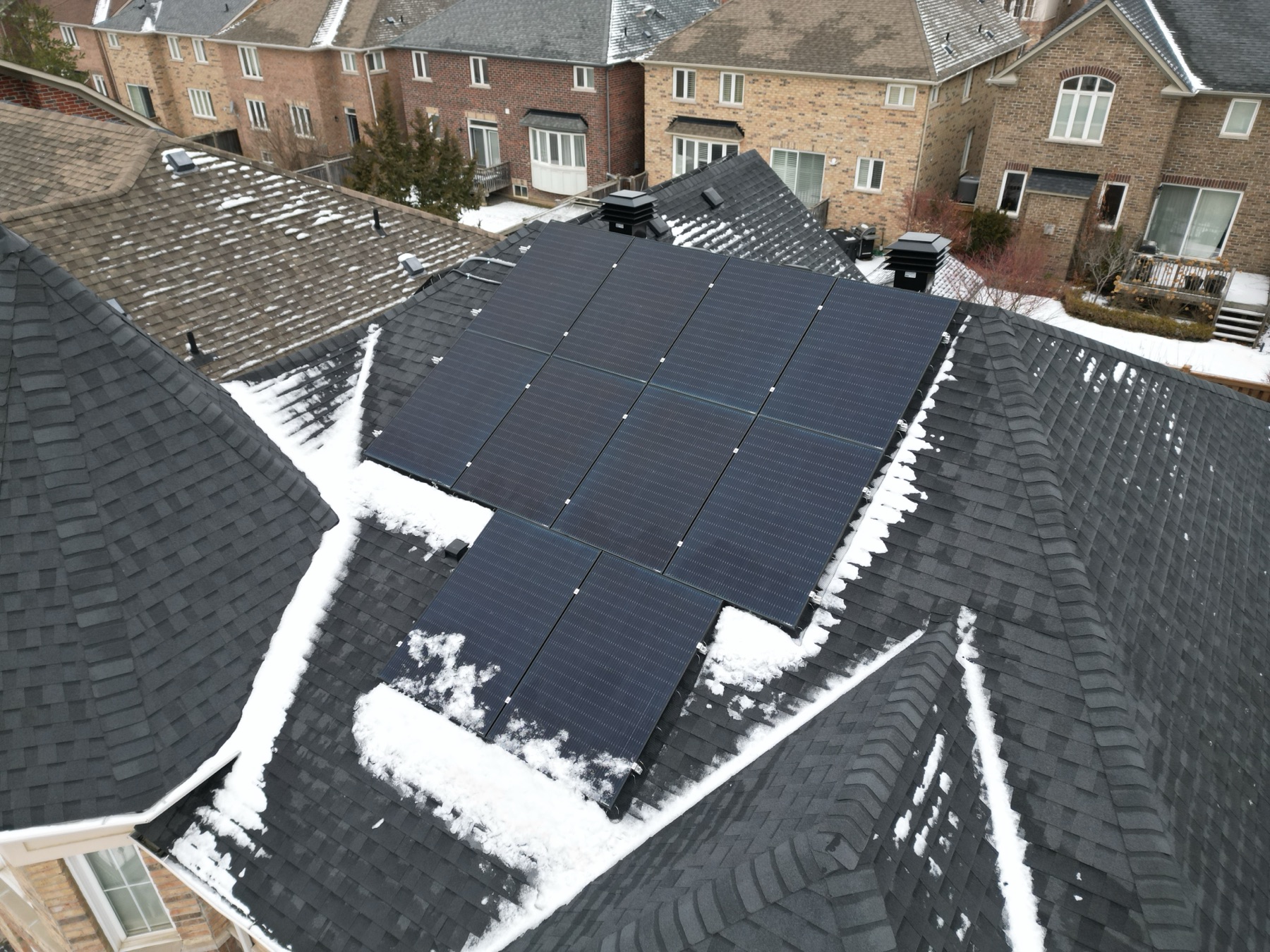
A 20-panel, 8.10 kW system designed to generate about 94% of a Markham home's annual electricity.
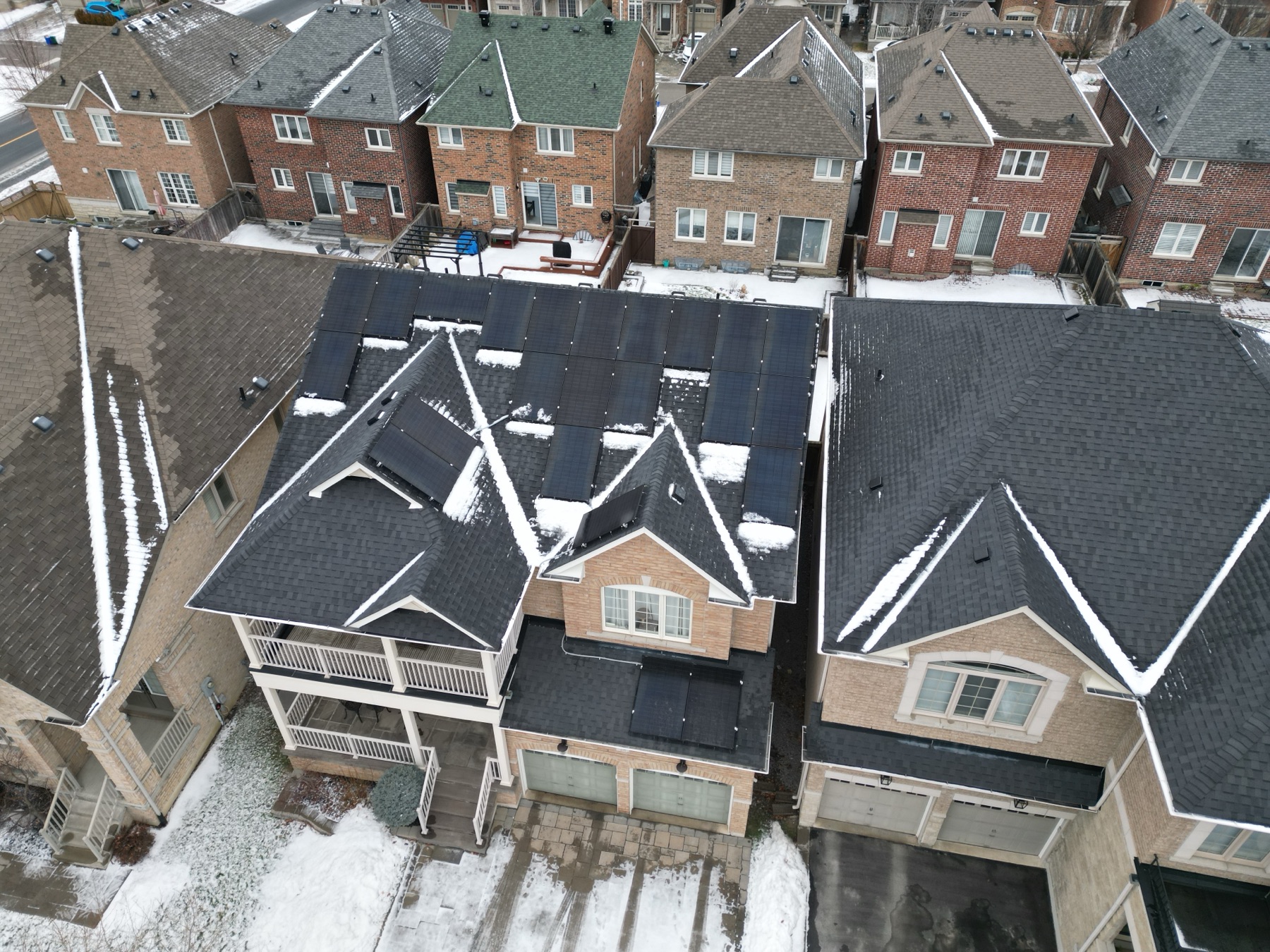
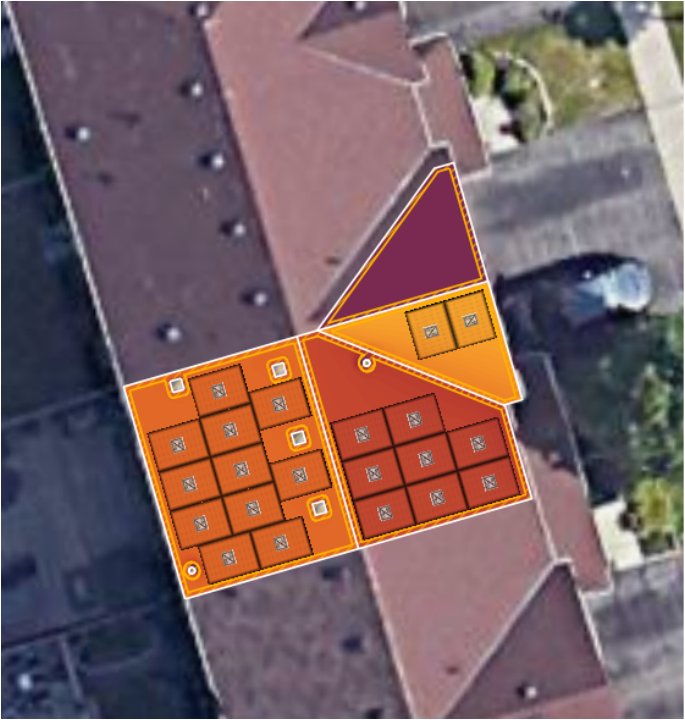
A high-usage Markham home gets a 23-panel, 10.24 kW array sized to cover about two thirds of its electricity.




Book a free discovery call with our in-house design team.
Book a Solar Discovery Call