Solar 101
Are You Looking to Install Solar? What Are the Benefits?
Thinking about solar panels for your house? Here are the main benefits for Ontario homeowners, from lower power bills to net metering and long-term value.
Thinking about solar panels for your house? Here are the main benefits for Ontario homeowners, from lower power bills to net metering and long-term value.
Sustainability is the future, and energy efficiency is where it begins. When you invest in renewable energy, you invest in your own future and in the future of the generations that follow. If you are wondering whether solar panels on your house are worth it, the short answer for many Ontario homeowners is yes. Here are the main benefits, and what to keep in mind as you weigh them up.
Your investment in renewable energy is also an investment in a cleaner environment. Solar panels generate electricity from sunlight without burning fuel, so every kilowatt-hour you produce on your own roof is a kilowatt-hour that does not need to come from a fossil-fuel source. Over the life of a system, that means a meaningful reduction in your household's greenhouse gas (GHG) emissions and carbon footprint.
Homeowners can lower their electricity bills by installing photovoltaic (PV) solar panels. Because solar systems are modular, an installer can size an array to match your usage, with as many or as few panels as your roof and your goals call for. More panels mean more production, and more production means more potential savings.
How much you save depends on where you live, the size and orientation of your roof, how much electricity your household uses and when you use it. Some homeowners offset a large share of their annual bill, and others choose a smaller system to hit a specific target. The cost of installation depends on system size, equipment and the installer you choose, so it pays to get a detailed, written proposal rather than relying on rules of thumb.
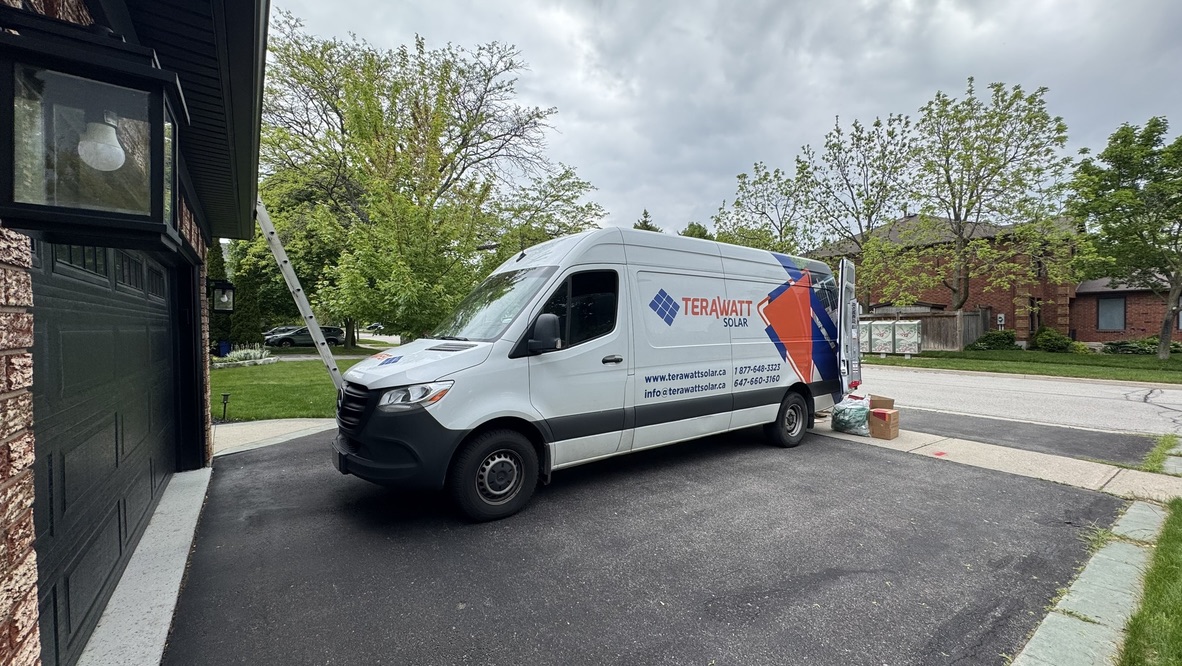
Terawatt Solar is a local turnkey solar installer serving the Greater Toronto Area. Our ESA-licensed in-house crews handle design, installation and utility paperwork, with no subcontractors. To understand what solar would cost on your own home, book a free site assessment or try the solar calculator for a first estimate.
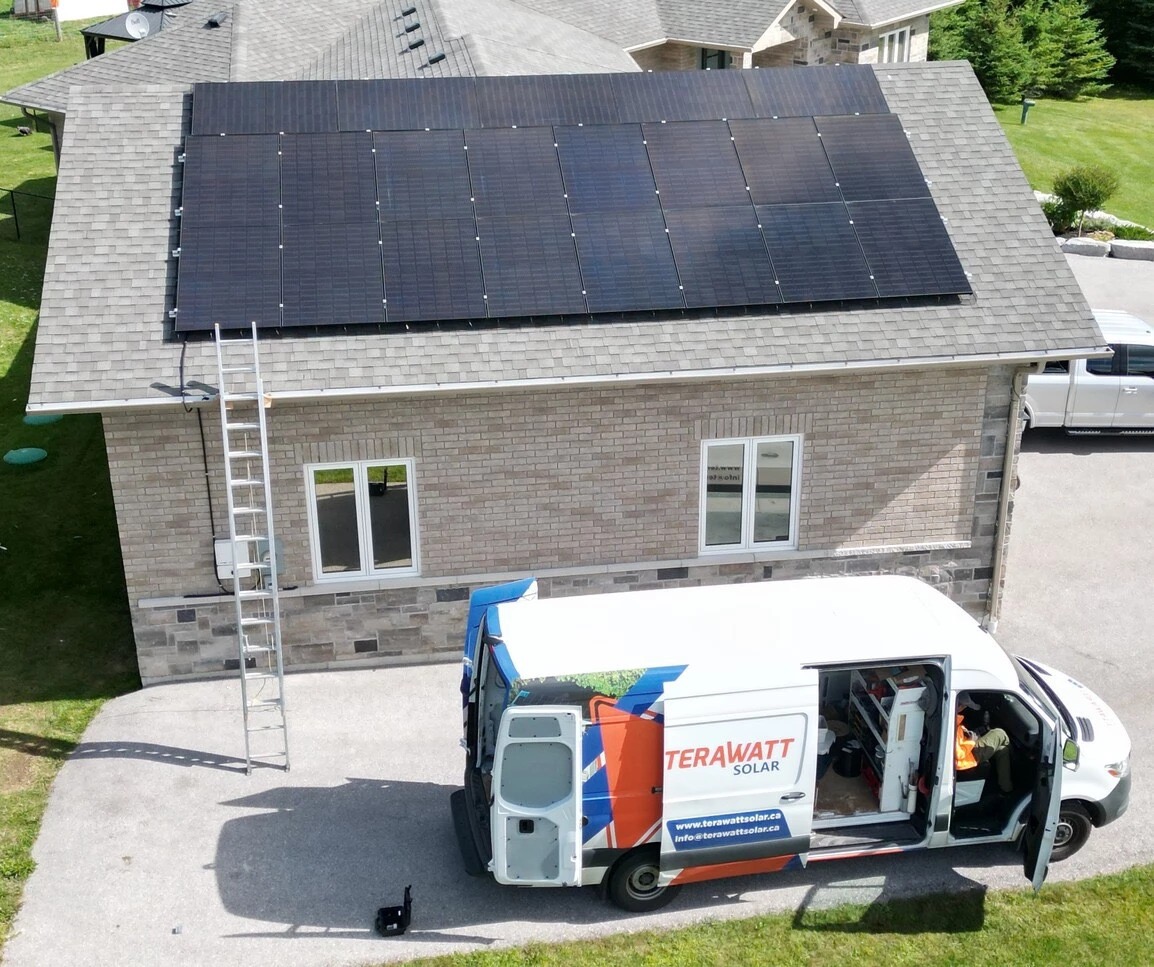
Solar panels can also add to a home's appeal. Panels shield the section of roof they cover from direct exposure to sun, rain and snow, and a home that already produces its own electricity can be attractive to buyers who expect energy costs to keep rising. How much value a system adds depends on the condition of the home, its size, its location and the age and size of the system, so any figure you see quoted should be treated as a rough guide only. An appraiser or real estate professional can tell you how solar is treated in your local market.
Once your system is running, a large part of your electricity cost is effectively locked in, because the sun does not send a monthly bill. That is a useful hedge when delivery charges and rates change from year to year. If your system produces more than your home uses in a given month, Ontario's net metering framework lets the surplus flow to the grid and be credited against future bills. You can read how it works in our guide to net metering in Ontario, or see the Ontario Energy Board for the regulator's own information.
Solar is not right for every roof, and a good installer will tell you so. The things that matter most are your roof's age and condition, how much shade falls on it, your electrical panel capacity and your yearly usage. We cover the roof checklist in detail in Is Your Roof a Good Fit for Solar?, and our broader cost-and-payback picture in Is Solar Worth It in Ontario?.
Update (2026): Government incentive programs for solar change over time. The Canada Greener Homes Grant is closed to new applicants, so please check our incentives page for what is currently available before you budget.
If you are ready to see what solar would look like on your home, our team can walk you through a custom design and a clear, no-pressure proposal. Learn more about our residential solar service, or contact us for a free site assessment.
Savings depend on your roof, the size of the system, your usage pattern and local utility rates. A free site assessment and written proposal will show the projected offset for your specific home.
They can, but the effect varies with the condition and location of the home and the size and age of the system. Ask a local real estate professional how solar is valued in your area.
Under Ontario net metering, surplus electricity goes to the grid and is credited against future bills, subject to your utility's rules. See our net metering guide for details.