Solar 101
Is Your Roof a Good Fit for Solar? What We Check First
What Terawatt Solar's design team looks at before proposing a system, from roof orientation to shading and structural condition.
What Terawatt Solar's design team looks at before proposing a system, from roof orientation to shading and structural condition.
Not every roof is a blank canvas for solar, and one of the most common questions we hear from GTA homeowners is simply: will this even work on my house? Here's what our team actually checks before we put together a proposal.
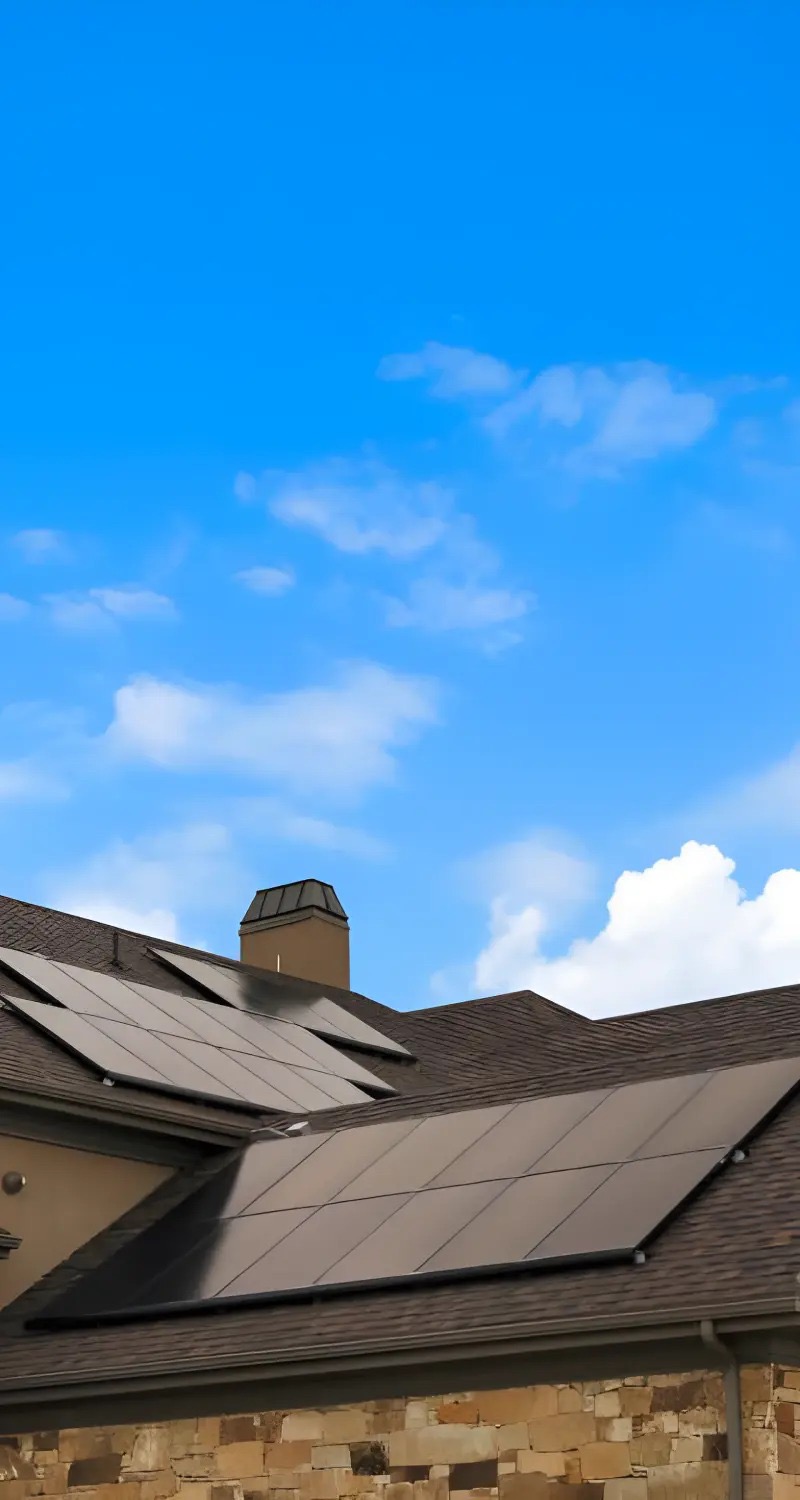
South-facing roof sections generally produce the most energy, but east and west-facing sections still perform well, especially when a system is designed around your actual usage pattern rather than chasing theoretical maximum output. Roof pitch matters less than most homeowners expect, panels perform well across a fairly wide range of angles common in Ontario homes.
Mature trees, chimneys and neighboring structures can all reduce production if they shade part of the array during peak sun hours. We map shading patterns across the day and season, not just a single snapshot, since a tree that's fine in December might shade a roof section in July.
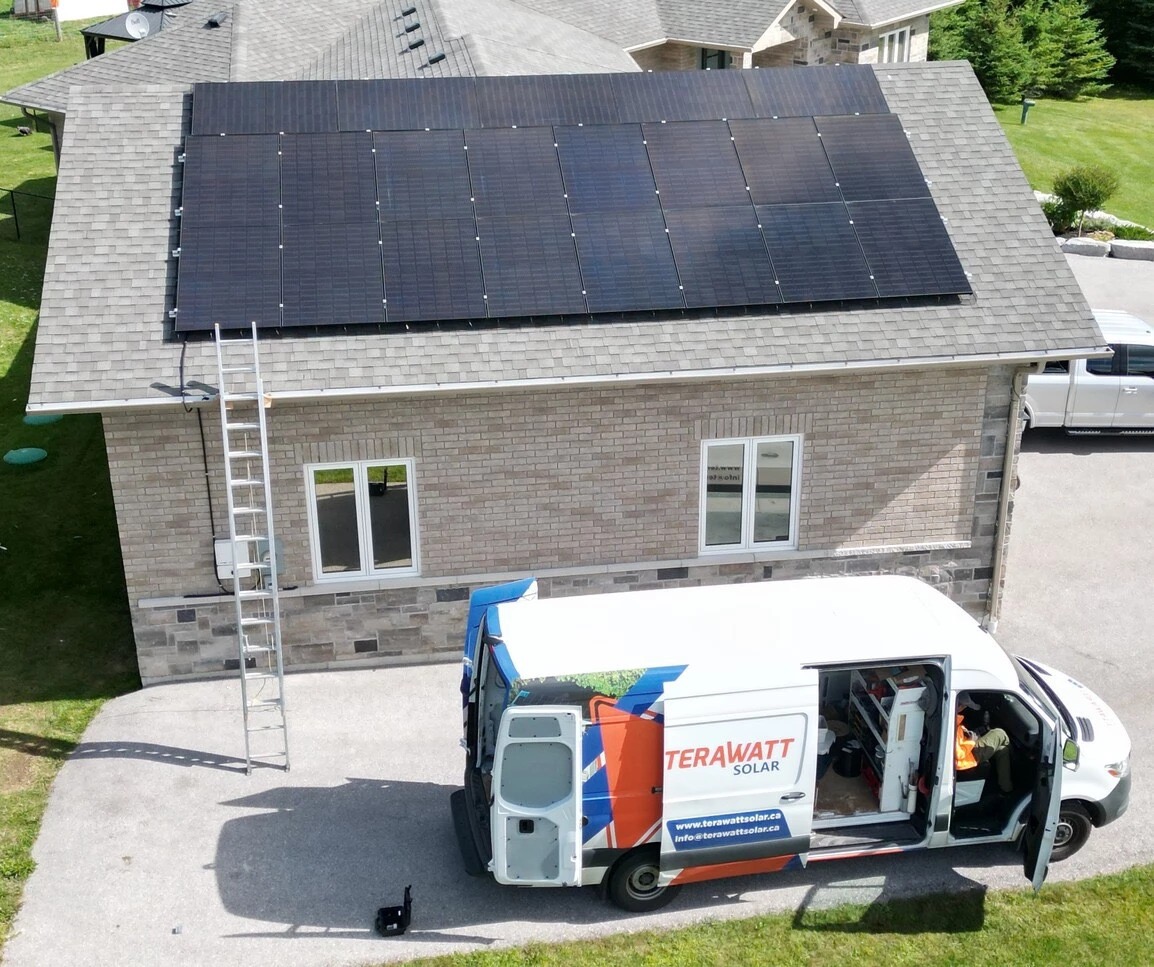
Solar panels are built to last 25 years or more, so we check your roofing material's remaining lifespan before installing. If a roof is nearing the end of its life, it's usually worth replacing before, not after, panels go up.
Older homes, particularly in established Toronto and Hamilton neighborhoods, sometimes have electrical panels that need an upgrade to safely support a solar interconnection. We flag this during the site assessment so there are no surprises mid-project.
Most GTA roofs, including a wide range of ages and styles across Toronto, Mississauga and Hamilton, are workable for solar in some form, whether that's a standard rooftop array or, in some cases, a ground mount system instead. The only way to know for certain is a site assessment, which we provide free of charge. Learn more about our residential solar process or see real GTA case studies.