Solar 101
How Do Solar Panels Work? A Simple Explanation
Curious how sunlight becomes electricity? Learn how solar cells and panels work in plain language, and what it means for rooftop solar on Ontario homes.
Curious how sunlight becomes electricity? Learn how solar cells and panels work in plain language, and what it means for rooftop solar on Ontario homes.
Solar panels are one of the most familiar clean technologies, but plenty of people, kids and adults alike, wonder what is actually happening inside them. This plain-language guide explains how sunlight becomes the electricity that runs your lights and TV, and then connects the science to a typical Ontario home with rooftop solar.
A solar panel is made of solar cells, and the solar cell is the part that turns the energy in sunlight into electricity. Solar cells make electricity directly from sunlight, with no engine or moving parts, which is why the technology is trusted on satellites in space and in remote places where repairs are difficult.
Most solar cells are made from silicon. Silicon is built from atoms, tiny building blocks like Lego bricks, only so small that a single solar cell contains trillions upon trillions of them. To make a cell, manufacturers start with a thin wafer of silicon, which is only a few times thicker than a strand of hair. That wafer is treated at very high temperatures, up to about 1,000 degrees Celsius, to change the way the silicon behaves electrically. A layer of metal goes on the back and a fine metal mesh, like a net with holes, goes on the front. The mesh side faces the sun so light can reach the silicon.
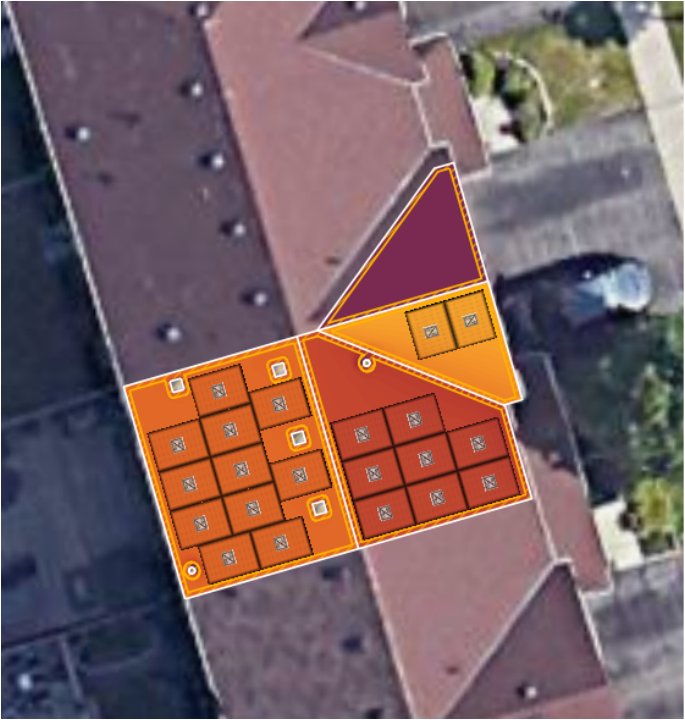
A typical panel combines 60 or more cells behind a sheet of tempered glass, inside a frame. A house may have anywhere from 10 to 50 panels on its roof, while a large solar farm in the countryside uses millions.
Inside each silicon atom are extremely small, lightweight particles called electrons, each carrying a small electric charge. When sunlight strikes a solar cell, it can knock an electron free. Because of the special way the cell is made, those freed electrons can only travel in one direction, up toward the side that faces the sun. This one-way flow of electrons is an electric current, and it is what powers the lights, television and appliances in a home. When sunlight is bright, more electrons are knocked loose and more current flows.
On a cloudy day, less light reaches the cells, so fewer electrons are freed and the output drops, sometimes by a large amount. At night, panels produce no power at all. That is why homes with solar either stay connected to the grid, or add batteries to store extra daytime energy. In Ontario, most homeowners use net metering, so surplus daytime power earns credits you use later. Panels also keep working in the cold, as we explain in do solar panels work in the winter?
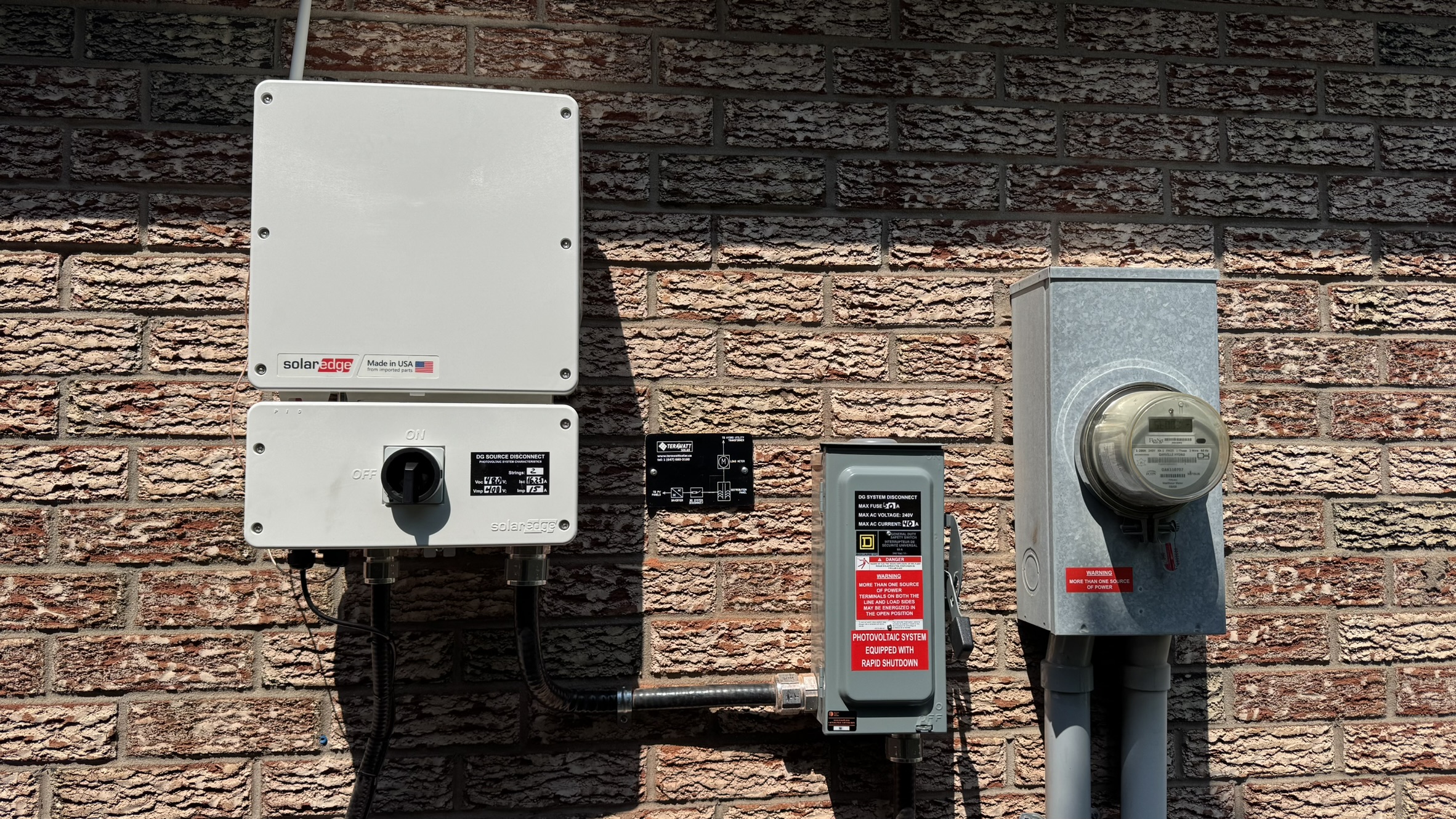
Solar panels produce direct current (DC), but homes run on alternating current (AC). An inverter sits between the two and converts the power so your home can use it. Terawatt Solar installs SolarEdge inverters, which also provide monitoring so you can see how much electricity your system is producing.
Solar is now one of the cheapest ways to generate new electricity in much of the world, according to the International Energy Agency, and solar capacity is being added around the world far faster than new coal or nuclear plants. Together with wind, it reduces the greenhouse gases that come from burning coal, oil and gas. Silicon, the main ingredient, is the second most abundant element in the Earth's crust after oxygen, found in sand and rock, so there is no risk of running out of the raw material.
The science is simple, and the technology is proven. Whether solar makes sense for your house comes down to roof space, shading and electricity use. Our team offers a free site assessment for residential solar across the GTA, and you can try the solar calculator for a quick estimate. Ready to talk? Get in touch.
Sunlight knocks electrons loose in silicon cells. The cell is built so the electrons flow in one direction, creating an electric current.
Yes, but they produce less power because less light reaches the cells.
It converts the direct current produced by the panels into the alternating current your home uses.