Solar 101
Is My House Suitable For Solar?
Most GTA homes qualify. Here's exactly what we check before saying so.
Most GTA homes qualify. Here's exactly what we check before saying so.
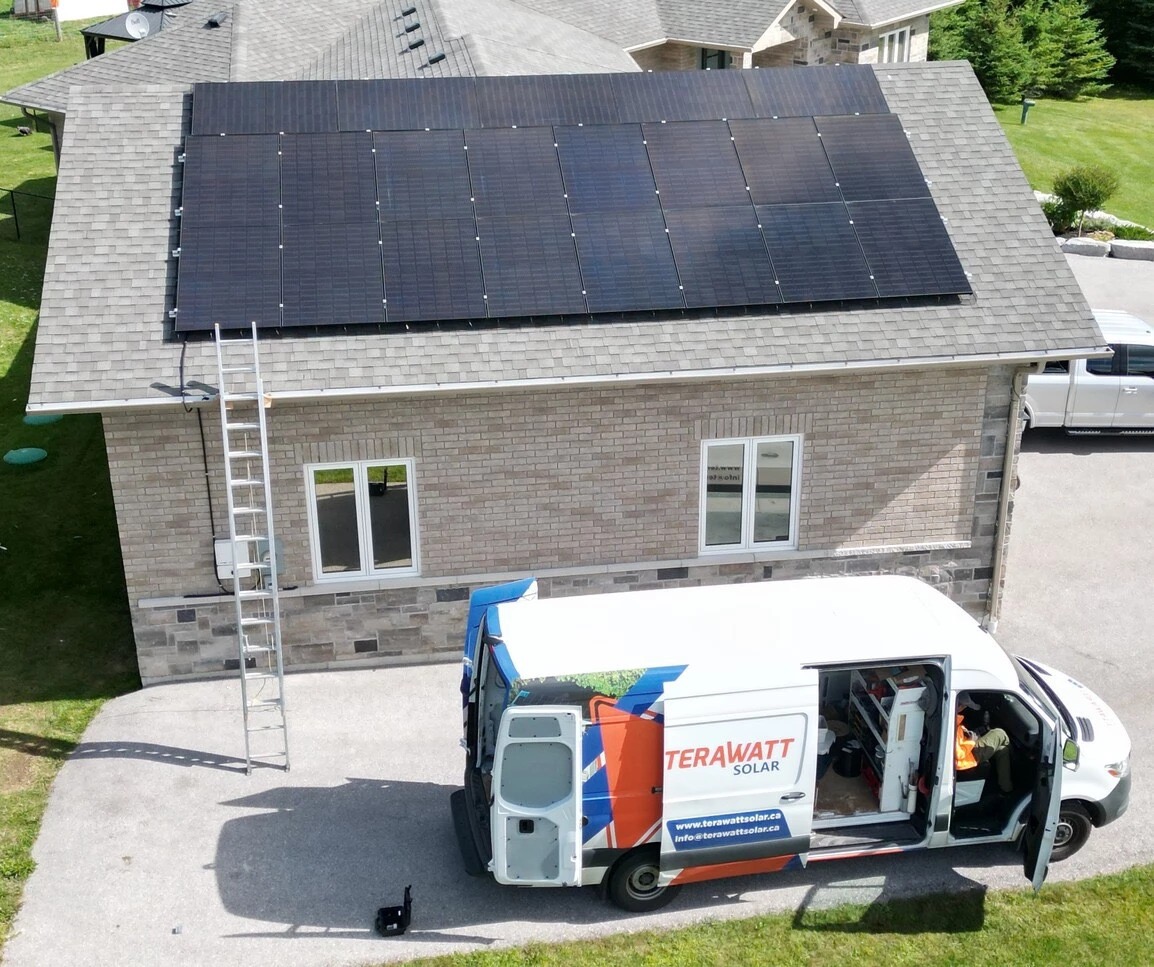
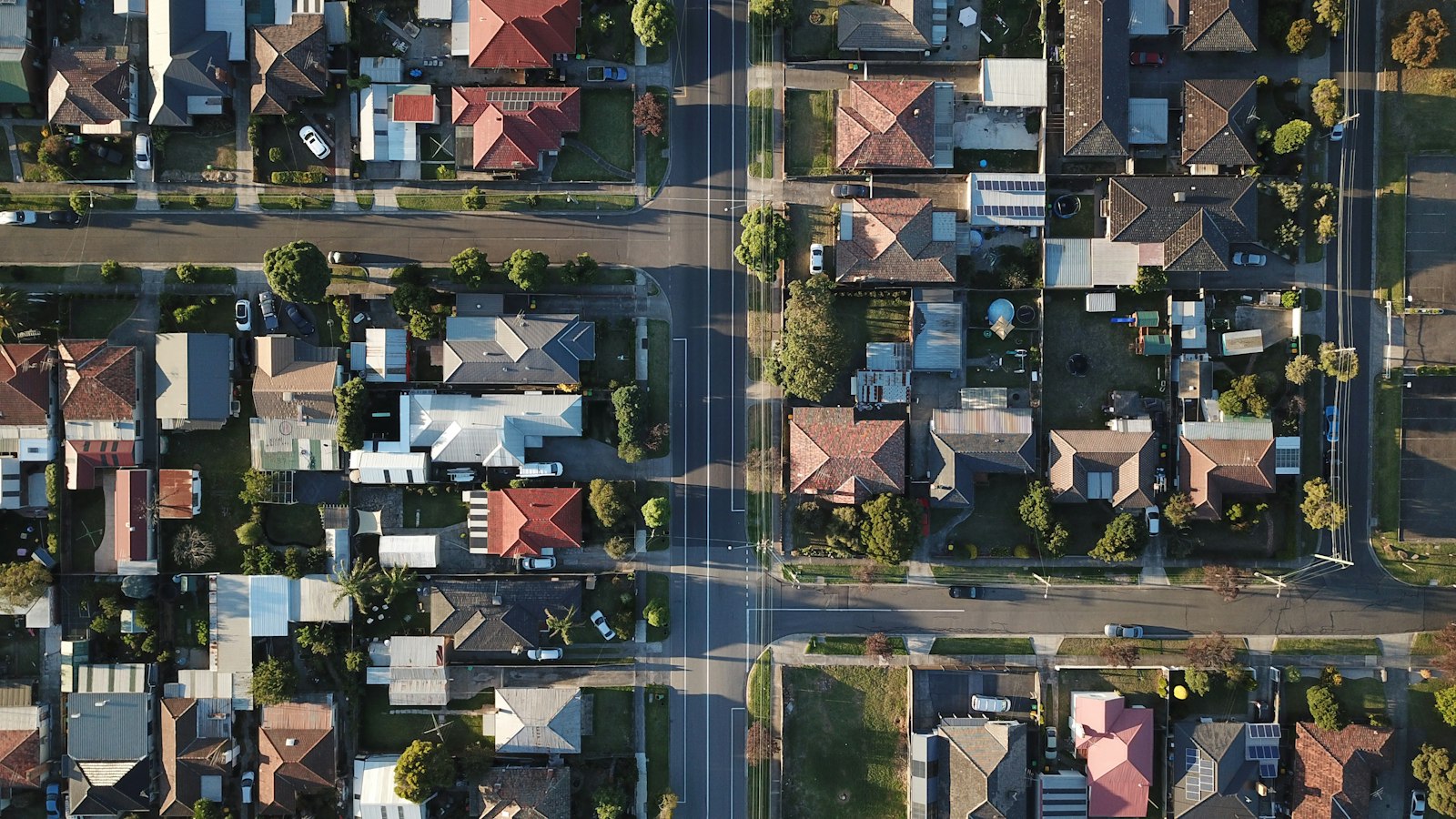
Almost every roof type in the Greater Toronto Area can support solar, but "almost every" isn't "every," and a few specific checks determine whether your home is a good fit and how big a system makes sense.
This is usually the first thing we ask about. If your roof needs replacement within the next 5 to 10 years, we generally recommend handling that first, since removing and reinstalling panels to redo roofing underneath adds unnecessary cost later. A roof with 10 or more years of remaining life is typically a safe bet to build on.
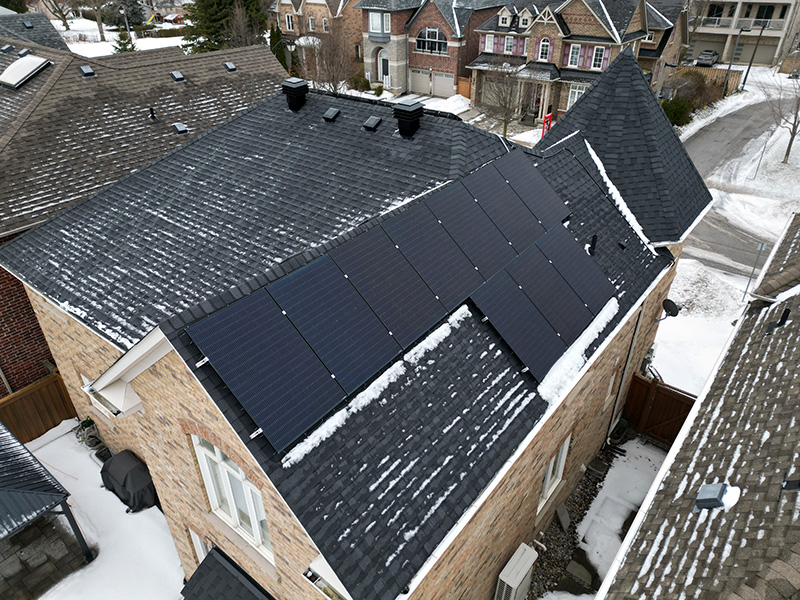
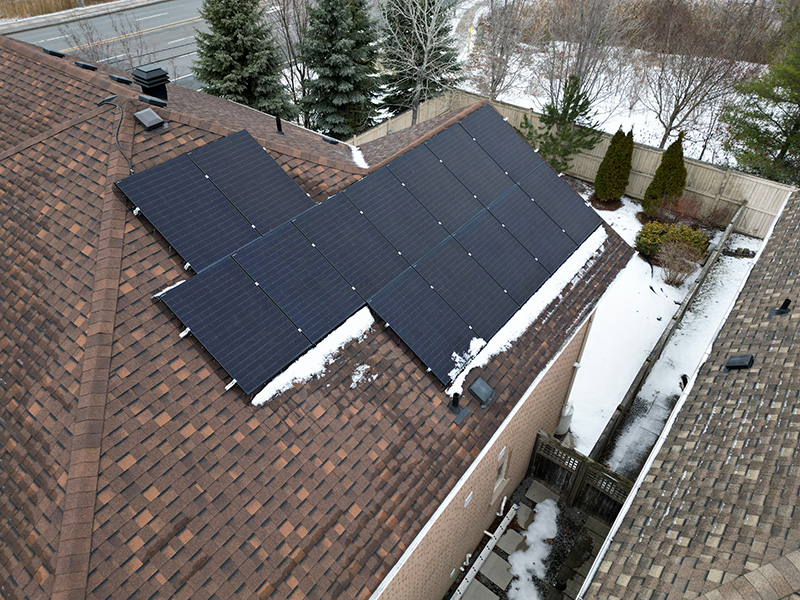
South, southeast, and southwest-facing roof sections produce the most energy in the GTA, but east and west-facing roofs still work, often with only a modest production difference. Shading from mature trees or neighbouring buildings is a bigger factor than orientation in a lot of cases, and we check for it specifically during a site assessment rather than relying on a satellite photo alone.
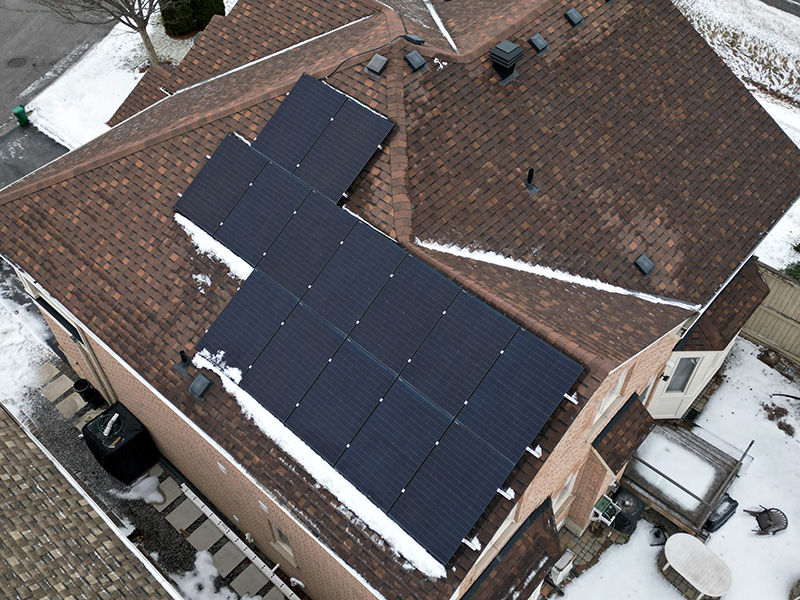
Your roof needs to support the added weight of panels and racking, which is rarely an issue for a structurally sound home but is still part of a proper site review. We also check your electrical panel capacity, since some older homes need a panel upgrade to support a solar interconnection, something we flag upfront rather than as a surprise mid-project.
A flat roof, an unusual roofline, or significant shading doesn't automatically rule out solar, it usually just changes the design, racking approach, or expected production numbers. In some cases a ground mount system is a better fit than a roof-mounted array. The only way to know for certain is a real site assessment, not a generic online estimate.
Our design team evaluates roof type, orientation, shading, and structural condition as part of every residential solar proposal. Request a free assessment and we'll tell you honestly whether your home is a good fit. See our solar calculator for a price estimate or browse service areas across the GTA.