Roofs & Panels
Roofs and Solar Panels: Questions You Need to Ask
Do you need a new roof before going solar? Get clear answers on roof condition, rewiring, orientation, shade, home value and savings from a GTA installer.
Do you need a new roof before going solar? Get clear answers on roof condition, rewiring, orientation, shade, home value and savings from a GTA installer.
Solar panels are a great addition to an Ontario property, and installing them is an exciting process. Before you sign anything, though, there are a few questions every homeowner should ask the installer to make sure all points are covered. Below are the ones we hear most, with straight answers. If your situation is unusual, a free site assessment is the best way to get a definite answer for your own roof.
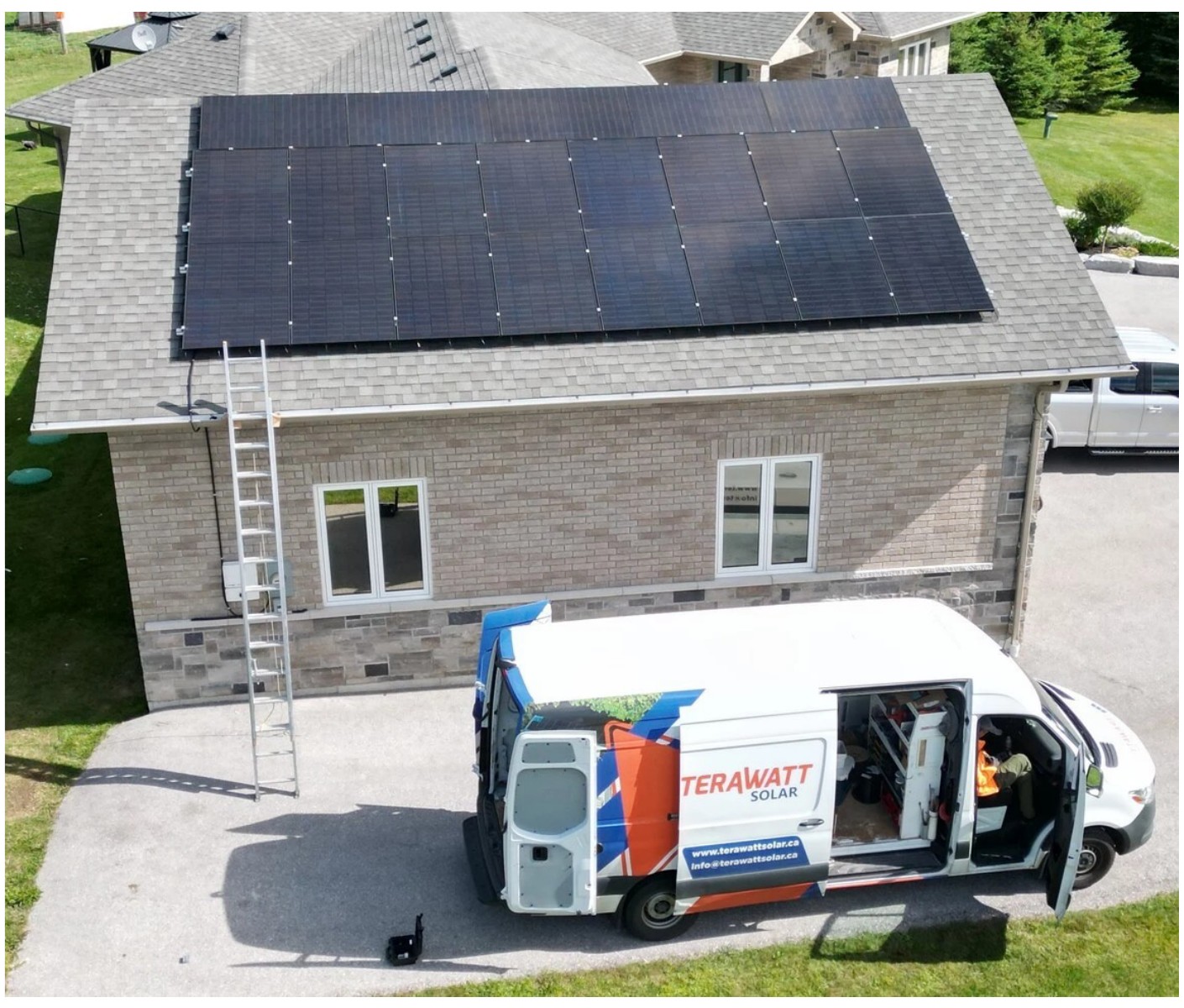
Solar panels should go on a roof that is in good condition, so the first step is to assess what you have. If the roof is quite old, it may be worth repairing or replacing it before panels go up, because removing and reinstalling an array later adds cost. Don't panic, though: nearly every common roofing type, including asphalt shingle, metal and others, can accommodate a solar system. Speak with a qualified, reputable installer who can walk you through the assessment. Our team covers this in more depth in Is Your Roof a Good Fit for Solar?
In most cases you will not need extensive rewiring. What you do need is enough capacity in your electrical service panel to accept the solar connection, and some older homes need a panel upgrade. Any electrical work must meet the Ontario Electrical Safety Code, and the Electrical Safety Authority oversees electrical safety in the province. Our ESA-licensed in-house crews check your panel during the home visit so there are no surprises mid-project.
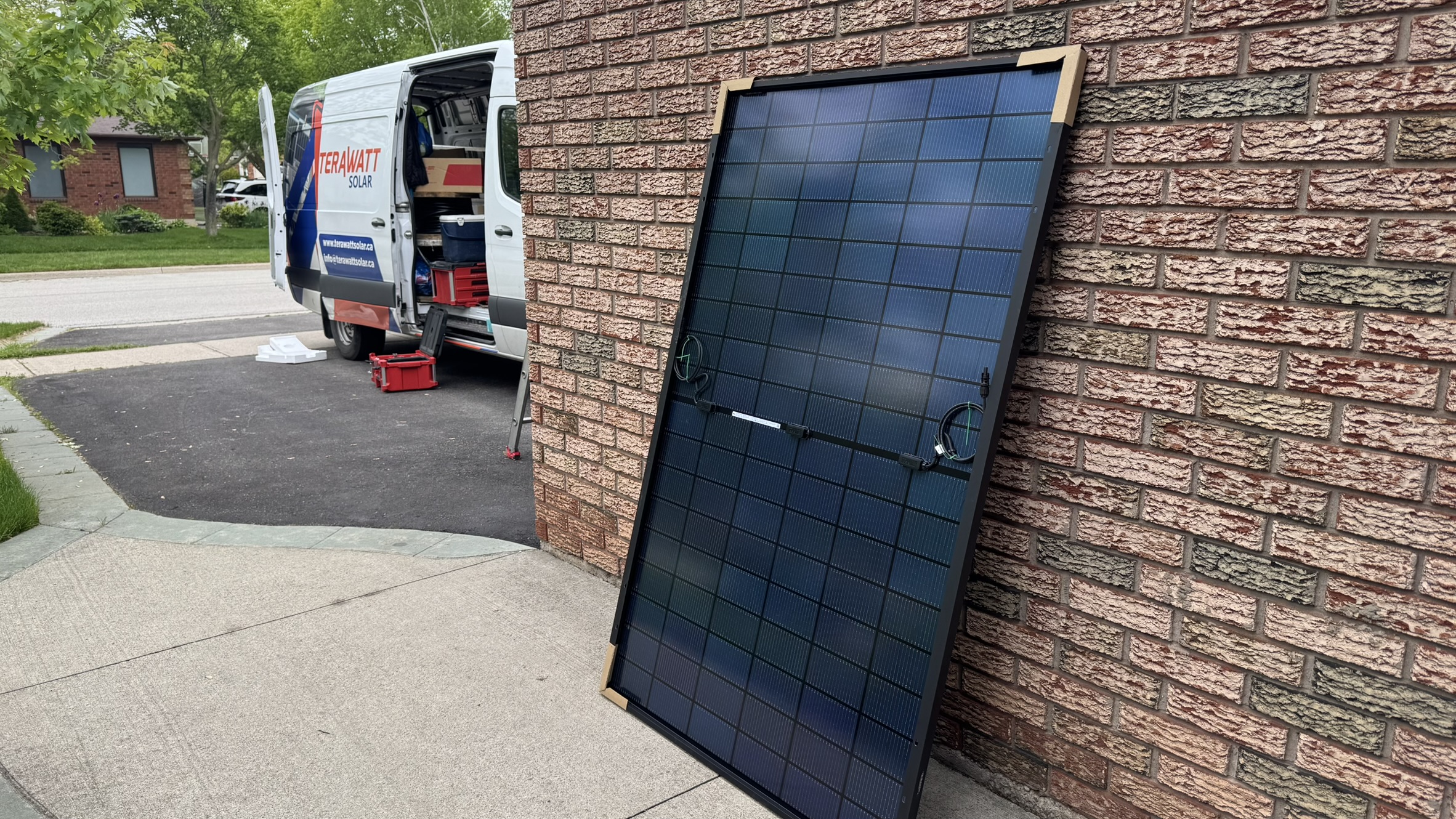
A south-facing roof has traditionally been considered ideal because it captures the most sunlight over the day. But modern, high-performance panel systems still produce a great deal of clean energy from east- and west-facing roofs, and even on cloudier days. A west or southwest orientation can actually be an advantage in some cases, because it produces more later in the day, when electricity is often worth more to the grid and when many households use more power. Roofs that face poorly can sometimes be offset by a ground mount system in the yard.
Trimming trees near your roof helps the panels receive the most sunlight, but tree removal is often less critical than it used to be. Modern systems, particularly those with module-level power optimization such as the SolarEdge inverter systems we install, limit the impact of partial shade on the rest of the array. We map shading across the day and the seasons during the design stage, so you will know how much production, if any, a tree is costing before you decide to take it down.
Studies from North American real estate researchers have repeatedly found that homes with solar can sell at a premium compared with similar homes without it. How big the effect is depends on location, the age and size of the system, and local market conditions, so it is hard to put an exact number on it. A local real estate professional can tell you how solar is treated where you live.
This is the question we are asked most. The answer depends on how much usable roof space you have, how much electricity your household needs, the type and size of system you install, and your utility rates. Equipment costs have fallen greatly over the past decade, making solar a solid long-term investment for many homes. We show projected production and savings in your written proposal, and you can get a first estimate with the solar calculator.
Update (2026): Incentives and rate structures change, so please check our incentives page for the latest programs before you budget.
At Terawatt Solar, our answers are an ESA-licensed in-house crew with no subcontractors, an 8-year workmanship warranty, a 25-year panel warranty and a team that manages the utility paperwork. Browse our case studies or learn about our residential solar service, then get in touch for a free assessment.
Yes, but the roof should have enough remaining life. If it is nearing the end of its lifespan, it is usually better to replace it before installing panels, not after.
Yes. East- and west-facing roofs still produce well, and a west-facing roof can generate more later in the day when electricity demand is high.
Not always. We map shade during design, and module-level optimization reduces the impact of partial shading on the rest of the system.