Solar 101
Why Do Some People Try to Install a Rooftop Solar Power System by Themselves?
Thinking about installing rooftop solar yourself? See the risks of DIY solar in Ontario, from safety and permits to design and warranty issues.
Thinking about installing rooftop solar yourself? See the risks of DIY solar in Ontario, from safety and permits to design and warranty issues.
The most common reason people want to install a rooftop solar power system themselves is to save money. Someone spots a deal on a surplus batch of panels and decides to grab them. They soon learn that there is more to a solar power system than just the panels. This article looks at why a professional installation is usually the safer and better-value path, especially in Ontario.
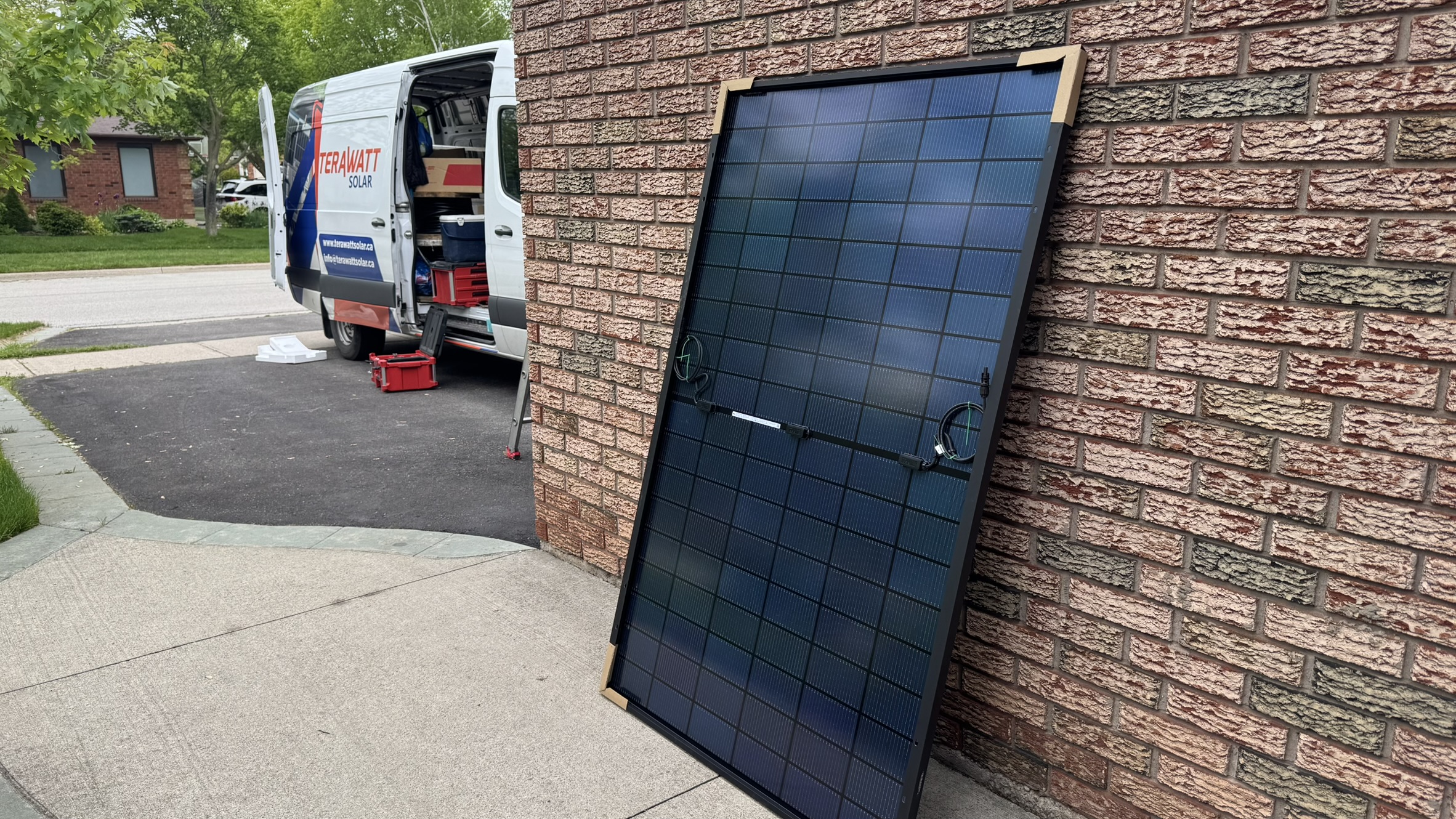
A discounted batch of panels can come with problems: connectors that do not meet code, panels that were mishandled in storage or shipping, or units that are substandard to begin with. Documentation, certifications and warranties may also be missing, which can create trouble with inspections and insurers.
The inverter is the nerve centre of a solar system. It affects performance, safety and how well you can monitor production. Choosing one means picking between central (string) inverters, microinverters, or string inverters with power optimizers, each with different costs, performance and monitoring software. Our installs use SolarEdge systems, which pair optimizers with online monitoring. Getting this decision right takes experience.
A proper balance between panels and equipment gets the most from your system and avoids wasted spending. Professional installers have learned through experience which components work well together, and good ones still give the buyer choices. Design also has to account for shading, roof orientation and pitch, and electrical panel capacity. See what we check on your roof before proposing a system.
Electricity and roofs are a risky combination. A licensed electrician who specializes in solar follows the electrical code to keep your household safe, and most general electricians are not familiar with the latest solar sections of the code. In Ontario, electrical safety is overseen by the Electrical Safety Authority, and installations need to meet its requirements.
Working on a roof is dangerous too. Professional crews are trained in fall protection and use harnesses and tie-offs. In Ontario, roofs are often steeper to shed snow, and many homes have two or more storeys, which is a very different situation from the low-slope bungalow roofs you often see in online DIY videos.
Proper permits and sign-offs matter. For example, an unclosed building permit can complicate the sale of a house. A solar system also needs utility approval for grid connection and net metering, which involves paperwork and inspection. A professional installer handles this documentation for you.
If you search for DIY solar videos, keep a critical eye. In some, the presenter walks across an array to show how sturdy it is, which is a bad idea: research shows panels can develop microcracks from this kind of abuse, which may reduce output or lead to failures over time. Presenters promoting wholesale kits are also not neutral. In other videos, homeowners admit they ended up hiring a roofer and an electrician anyway, and it is fair to wonder how much they saved in the end.
Rather than spend countless hours on trial and error, we recommend doing your homework and selecting a qualified professional installer. A good installer takes a reasonable margin for their service and, in return, provides:
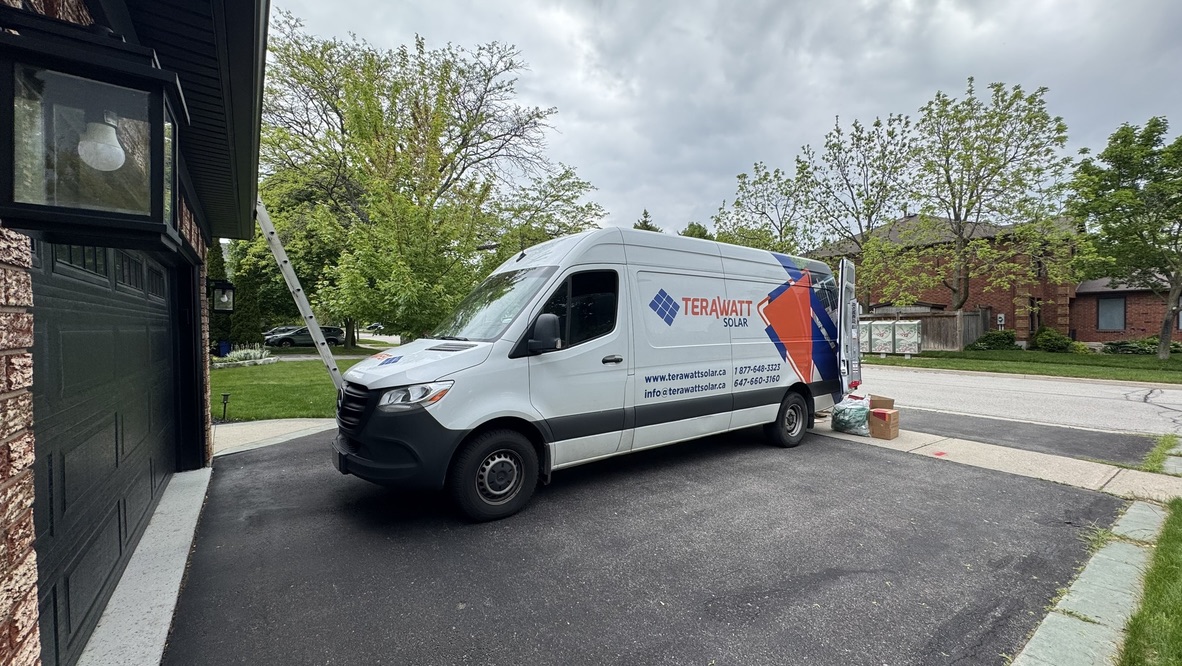
Terawatt Solar uses ESA-licensed in-house crews with no subcontractors, SolarEdge inverters, an 8-year workmanship warranty and a 25-year panel warranty. Learn about our residential solar approach or request a free site assessment to see what a professional system would cost for your home.
Electrical work is regulated, and a solar system must be connected to the grid under utility requirements and inspected. Check with the Electrical Safety Authority and your local utility before taking on any part of an installation.
Equipment costs may look lower, but permits, safety gear, professional electrical work, mistakes and lost warranties can erase the savings.
System design, equipment selection, permits, utility paperwork, licensed electrical work, commissioning and a warranty.