Ontario Solar
Is Residential Solar Worth Investing In?
Is residential solar worth it for Ontario homeowners? Look at the environmental case, net metering, bill savings and maintenance before you decide.
Is residential solar worth it for Ontario homeowners? Look at the environmental case, net metering, bill savings and maintenance before you decide.
If you are planning an energy retrofit for your home, solar panels and photovoltaic (PV) energy deserve a serious look. Whether a system is worth the investment depends on the environmental benefits you care about, the economics in Ontario and how much work the system will take to keep running. This guide walks through each of those points so you can decide with confidence.
Solar PV produces electricity without burning fuel, so it does not emit pollution or greenhouse gases while it operates. That means you do not need to worry about the carbon footprint of the power your roof makes. It is also a quiet technology that does not disturb wildlife in the way some other energy sources can. Choosing solar is a way to be part of the solution on climate, while generating clean electricity right where you use it.
For a long time, cost was the biggest obstacle to residential solar. As a snapshot from the original version of this article, the average lifetime cost of PV electricity in Canada in 2016 was around 23 cents per kilowatt hour, higher than other renewable options, and solar relied heavily on incentive programs to grow. Equipment prices have fallen a great deal since then, which is why so many more homes now make financial sense for solar.
Ontario helped build that market. The province launched its Feed-in Tariff (FIT) program in 2009 to encourage renewable generation, including wind, solar PV, hydroelectricity and bioenergy. Today, the mechanism most relevant to homeowners is net metering, which lets you offset your own consumption and export the extra to the grid.
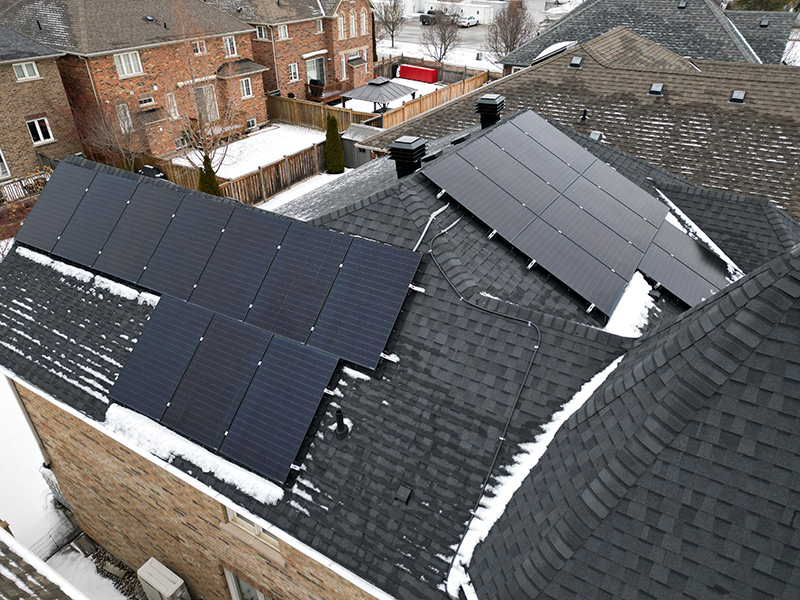
Net metering is a billing arrangement that credits solar owners for the electricity they add to the grid. In simple terms, your system produces power in the daytime, your home uses what it needs and the surplus flows to the grid. Your utility continues to read your meter, measures what you sent out against what you drew in and bills you the "net" difference. If you produce more than you use in a billing period, you receive a credit that can be applied to future bills. Under Ontario's rules, credits can be carried forward for up to 12 months, but confirm current terms with your utility. For a detailed walkthrough, read how net metering works in Ontario. The Ontario Energy Board also publishes consumer information on electricity billing.
The most common benefit homeowners mention is lower electricity bills. A solar system can reduce your purchases from the grid for many years, and it does so whether rates go up or down, which makes it a hedge against rising prices. Estimated savings and payback periods vary with your usage, roof and system design, so use our solar calculator and our guide on whether solar is worth it in Ontario to see how the numbers might look for your home.
Maintenance is light. Panels have no moving parts, and keeping them clean and free of debris is usually enough, much like washing windows. A monitoring system is a smart addition, since it tracks production and flags anything unusual right away. Rooftop panels are designed to last about 25 years, so the one big job to plan for before installation is roofing. If your shingles are old, replace them first.
Homeowners tend to see the strongest results when they have a roof with good sun exposure, steady or high electricity use and plans to stay in the home long enough to enjoy the savings. Households that run electric heating, air conditioning or an electric vehicle often have the most to gain, because more of the power they buy can be replaced by their own production. If your usage is low or your roof is heavily shaded, a smaller system or a different approach, such as a ground mount, may be a better fit.
For many Ontario homeowners with sunny roofs and meaningful electricity use, the answer is yes. The environmental benefit, bill protection and low upkeep add up over a system's life. The best way to know for sure is a site-specific assessment. Terawatt Solar's licensed consultants and installers handle design, permits and installation for residential solar, and you can book a free solar assessment to see what a system would look like on your home. Programs change, so see our incentives page for what is currently available.
Rooftop panels are designed to last around 25 years or more, and many manufacturers offer long performance warranties.
Net metering credits you for surplus power your system sends to the grid, so your bill reflects only the net difference between what you use and what you export.
No. Keeping them clean and checking production through a monitoring system is typically sufficient.